







As martial arts instructors, one of the things we hear most often from parents is this: “I know self-discipline is important—I’m just not always sure how to teach it.”
That concern makes a lot of sense. Self-discipline is a big concept, especially when children are still learning how to manage emotions, follow directions, and make good choices.
From an instructor’s perspective, here’s the encouraging part: self-discipline can absolutely be taught. In martial arts, we see it develop every day when children train in an environment that is structured, supportive, and consistent—one that explains not just what to do, but why it matters.
Self-discipline is at the heart of martial arts training. It helps students listen, stay focused, control their bodies, and keep trying even when something feels challenging. And when these lessons are reinforced at home, the growth becomes even stronger.
What Self-Discipline Looks Like at Different Ages
Because children develop so quickly, we approach self-discipline differently depending on age. This allows each child to grow at a pace that makes sense for them.
Ages 3–4: Building a Positive Foundation
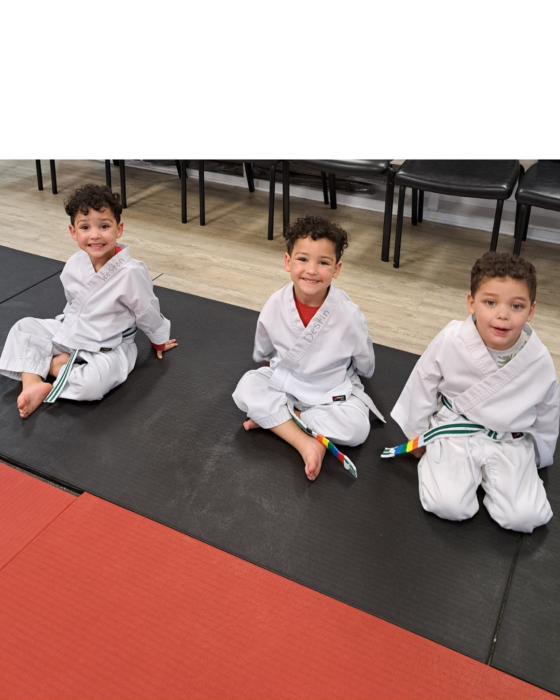
At ages three and four, children are in a very emotional stage of development. In class, this looks like learning how to line up, wait their turn, and follow simple instructions.
At this age, self-discipline isn’t about doing everything correctly. It’s about creating positive experiences. Through consistent routines and positive reinforcement, children begin to associate self-discipline with encouragement and success. When we praise effort—standing tall, trying again, or listening carefully—confidence begins to grow.
Our goal is simple: help them feel safe, supported, and proud for trying.
Ages 5–6: Learning to Make Better Choices
By ages five and six, children begin to understand right from wrong more clearly. In martial arts classes, this shows up when students start recognizing expectations, rules, and basic consequences.
At this stage, self-discipline means helping children pause and choose the better option—whether that’s using control instead of acting impulsively or staying focused instead of getting distracted. With repetition and guidance, students begin taking responsibility for their actions both on and off the mat.
Ages 7–9: Developing Internal Self-Discipline
Children ages seven to nine understand that negative behavior comes with consequences. This is an important turning point.
In class, we begin encouraging students to demonstrate self-discipline without being reminded—keeping their guard up, showing respect, and correcting themselves when they make mistakes. This is when self-discipline starts to come from within, not just from instructor direction.
Ages 10 and Up: Applying Self-Discipline to Everyday Life
By age ten and up, students typically have a clear understanding of how self-discipline affects their progress. They can see how effort, attitude, and consistency impact their training and their results.
At this stage, self-discipline is about being thoughtful and reasonable. Students learn to slow down, think ahead, and make choices based on self-control—skills that carry far beyond the martial arts mat.
How Parents Can Reinforce Self-Discipline at Home
This month, your child will be studying the character word self-discipline. One of the best ways to support this lesson is by reinforcing it at home.
Children learn a great deal by watching the adults around them. When parents model self-discipline—staying calm, following through, and handling challenges with control—children are more likely to mirror those behaviors.
It’s also important to remember that discipline and punishment are not the same. Discipline is about teaching and guiding children toward self-control, not reacting out of frustration.
When you notice your child showing self-discipline at home, acknowledge it. Just like in class, positive recognition encourages them to keep practicing the behavior.
Finally, give your child opportunities to practice self-discipline by introducing new, age-appropriate responsibilities. Responsibility builds confidence, and confidence supports self-discipline.
In martial arts, self-discipline isn’t about being strict—it’s about helping students believe they are capable of controlling their actions and making good choices. When training and home life work together, those lessons become lifelong skills.
As we focus on self-discipline in class this month, thank you for reinforcing these lessons at home. Together, we’re helping your child build focus, control, and confidence—on the mat and beyond.