


If you have a 5- or 6-year-old at home, then you already know: everything is BIG at this age — and don’t lie to yourself, you know your child proudly belongs to the Center of Attention Club.
The excitement is big!
The frustration is big!
The reaction to losing a game? Ohhh…those are really big.
It makes sense that 5 and 6-year-olds are at this funny little stage where they are becoming more aware of the world around them, but they still want to be the center of it. When they play a game, they want to be the one who wins. When they line up, they want to be first. And when it is time for attention, they want it all.
So, when things don’t go their way, like when they lose a game, it can feel like the sky is falling. Cue the tears, the pouting, the crossed arms, the “I’m never playing again” drama.
We have all been there.
But here’s the good news: big feelings are totally normal, and yet they can be managed
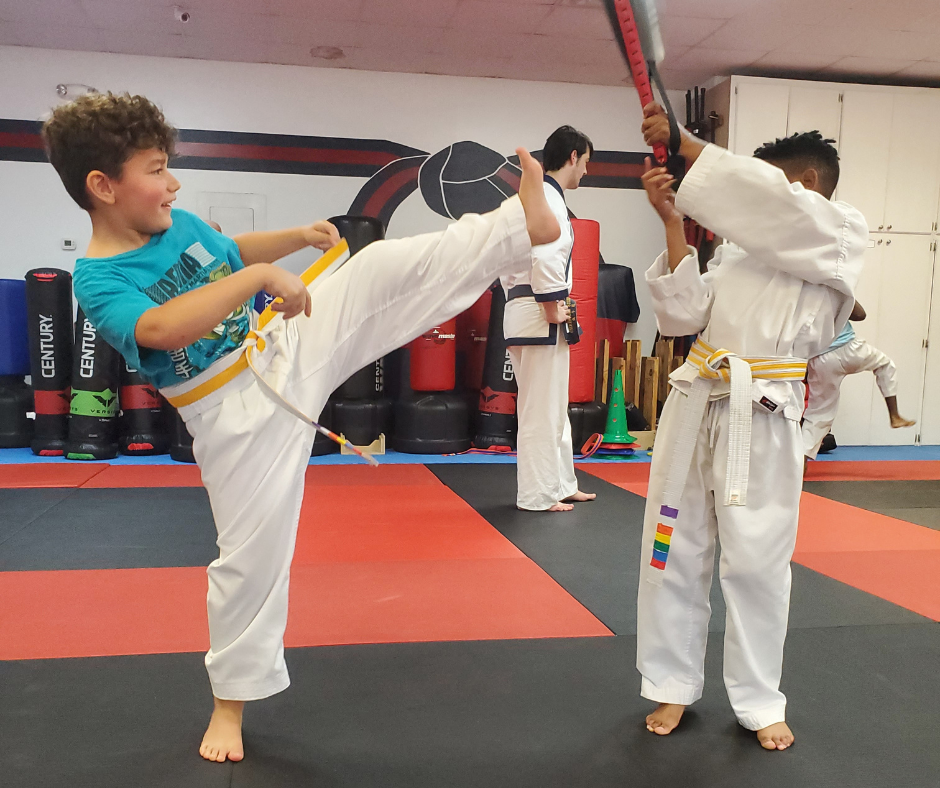
That is one of the reasons I absolutely love martial arts for this age group. It provides children with a safe, structured environment to express their emotions and learn to manage them.
At ages 5 and 6, children are just beginning to understand competition and rules, but they don’t have the skills to manage disappointment. Their brains are still developing the ability to regulate emotion, share attention, and think beyond the “me first” mindset
So when a child loses a game, what are they really feeling:
I didn’t get the attention I wanted
I don’t like this feeling, and I don’t know what to do with it
Everyone saw me lose, and that feels awful.
It is not bad behavior; it is simply a part of growing up. This is where martial arts becomes a game-changer.
In class, children get a chance to:
Try a game where sometimes they win, and sometimes they don’t
Practice taking turns (which is hard when they want to be the star)
Hear positive coaching that reframes frustration
Learn self-control strategies like breathingand listening cues
And here is the beautiful part, they learn all of this without realizing it, because we build it into drills, partner skills, and fun challenges.
Every time they lose a round or don’t get picked first, they are learning:
How to handle disappointment
How to stay calm
How to keep trying
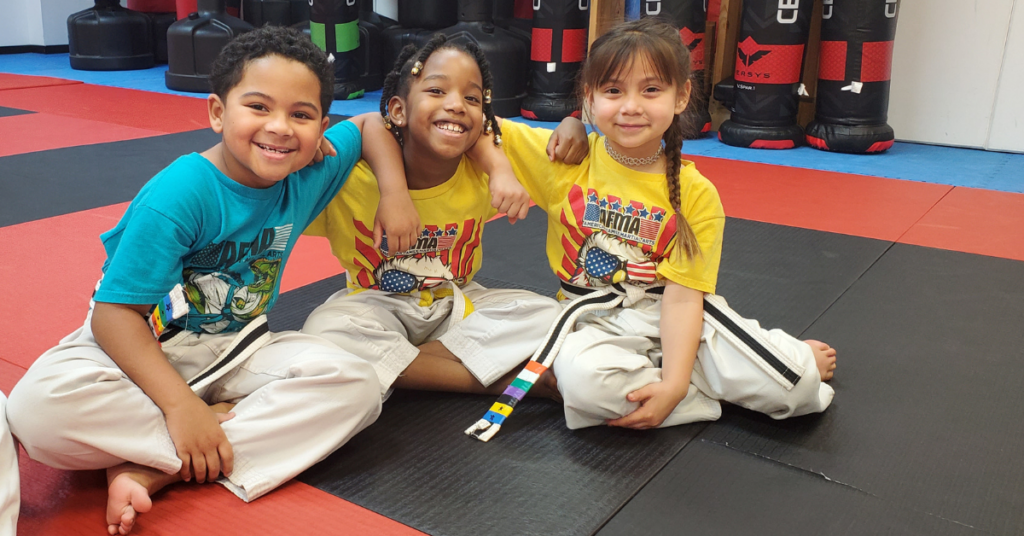
How to cheer for someone else
And these are big life skills for these little humans.
As moms, we love seeing our children kick higher, balance better, and learn new moves. The emotional growth is the thing I love best. Watching a child lose a game and congratulate the person who won, trying again with determination instead of giving up. Those moments are huge.
That is when you know martial arts is helping shape not just their bodies but their heart, their character and their confidence.
These are just children figuring out their place in the world and they need practice handling those emotions in a healthy, empowering way. And that is exactly what they get every week in martial arts.
Big feelings aren’t the problem, and in the right environment, they become one of the greatest strengths your child will ever develop.